
A More Productive Endurance Exchange: Transparency, Trust, and the Greater Ecosystem
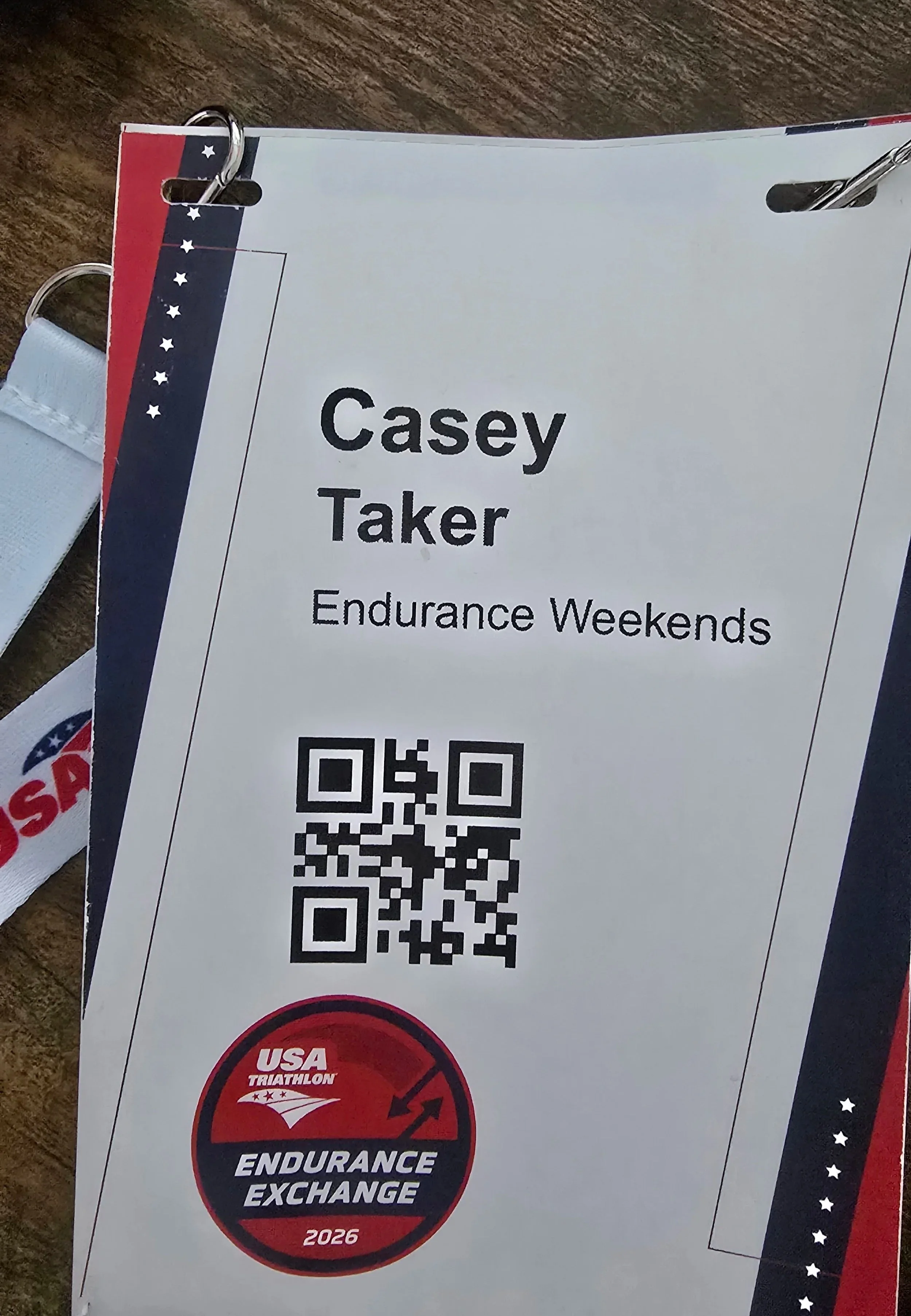
This year’s USA Triathlon Endurance Exchange in Orlando felt meaningfully different, and I’ll dare say, notably more productive than in years past. Not because the industry’s challenges have disappeared, but because the conversation around them has matured.
What stood out most was the level of transparency that USA Triathlon demonstrated with its membership. Across sessions, data presentations, and live Q&A with leadership, the organization shared substantial information: membership trends, survey results, and behavioral insights that provided real context for decision-making. Just as importantly, staff responses were consistently honest, whether the answers were encouraging, unknown, or difficult to hear.
That transparency created clarity, and clarity created trust.
Rather than centering the dialogue on what USA Triathlon does wrong or needs to improve, the event’s tone shifted toward shared responsibility and collaboration. There was a clear, repeated effort to articulate what is reasonably the responsibility of a national governing body and what must be owned by event organizers, coaches, clubs, partners, and athletes themselves for the greater success of the sport. That distinction is not always comfortable, but it is necessary for a healthy system.
One concept surfaced repeatedly throughout the week: ecosystem.
The consistent use of this language felt intentional and important. USA Triathlon positioned itself not as the sole driver of the sport or individual success, but as a supporting entity within a broader ecosystem. That support takes many forms, listening to data and member feedback, providing tools and resources, setting boundaries, following the audience when appropriate, and, at times, saying no.
This framing acknowledges both influence and limitation. It reinforces that progress in endurance sports is collective, not centralized.
The result was a noticeable shift in the room. Conversations felt more constructive. Questions were more forward-looking. Peer-to-peer connections felt stronger. Instead of leaving with a sense of fragmentation or frustration, as has sometimes happened in the past, we left feeling more connected to both the organization and the broader triathlon community.
Endurance Exchange 2025 did not offer simple answers to complex issues. What it did offer was something arguably more valuable: openness, data-informed dialogue, and a clearer understanding of how we each contribute to the health of the sport. That approach builds confidence, aligns expectations, and creates the conditions for long-term progress.
For those of us invested in the future of triathlon, that shift matters.
Endurance Exchange 2025: Key Stakeholder Takeaways
· Transparency as a Trust Multiplier
USA Triathlon shared meaningful membership and survey data alongside candid leadership dialogue. Honest answers, good or bad, helped align expectations and build confidence.
· Clearer Role Definition
Repeated emphasis on what falls within USAT’s responsibility versus what must be owned by the broader community reduced friction and reframed accountability.
· Ecosystem Framing
Consistent use of “ecosystem” reinforced that progress in triathlon is collective. USAT’s role is to support, guide, resource, and sometimes say no, rather than control outcomes.
· Shift in Tone and Engagement
Less focus on criticism, more focus on collaboration. Conversations felt more constructive and forward-looking, strengthening peer and organizational connections.
· Net Outcome
Attendees left more energized, aligned, and connected, indicating a healthier dialogue and stronger foundation for shared growth in the year ahead.